
Web design 7 min read
Do You Need a Website If You Have a Facebook Page?
A Facebook page is a good start, but it is not a website. What a page cannot do for a small business or trade, when it is enough, and how to use both.
A PrimeStart guide for small businesses and trades
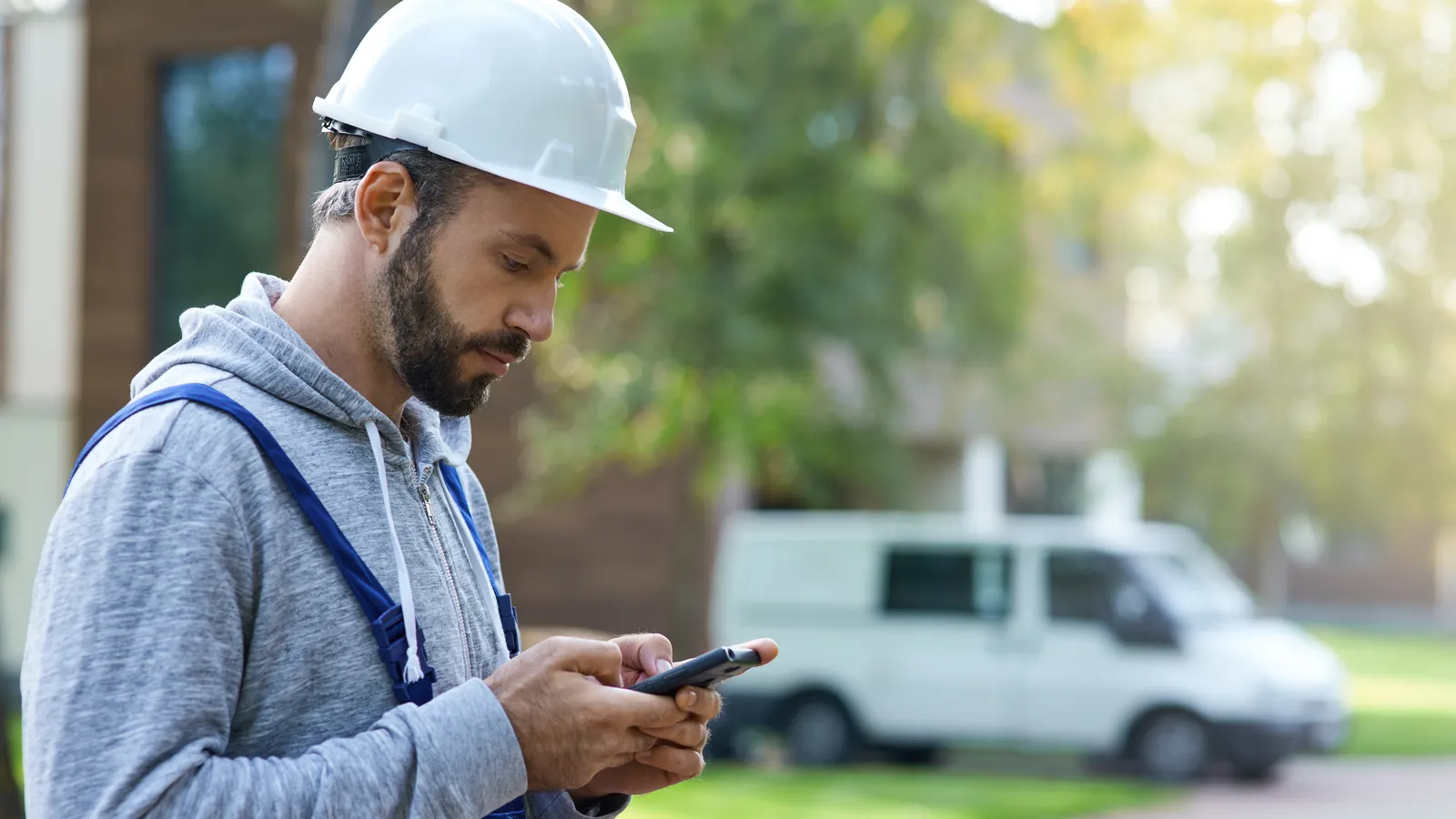
It is a fair question, and a lot of small businesses and trades ask it. Your Facebook page is free, it is easy to update from a phone, and customers do message you through it. So why pay for a website as well? Here is an honest answer, written for UK businesses, including where Facebook alone is enough for a while and the jobs a website does that a page cannot.
What a Facebook page does well
Give it its due first. For a new business, a page is a quick, free way to be visible. It is good for showing recent jobs and photographs, announcing opening hours or a busy week, replying to questions, and keeping in touch with people who already know you. If your work mostly comes through people who follow you locally, it may be doing real work already.
If you are only starting out, a page is a sensible first step, and nothing in this guide says to delete it. The point is to know what it cannot do.
What a Facebook page cannot do for you
1. It is not yours
A page lives on a platform that someone else runs. The layout, the features and the rules are theirs, and they can change. Your own website sits on a domain you register and you decide how it looks and what it says. If you ever want to know who owns what, our guide to who owns your website splits it into the domain, the hosting, the site and the content.
2. It is hard to make it say what a customer is searching for
A customer in Doncaster with a leaking pipe types “emergency plumber Doncaster”. A website can have a page that answers exactly that: the trade, the town, the services, a phone number and some photographs. A Facebook page has one shared layout for everyone, and you cannot build separate pages for each service and each area you cover. Our guide on listing the areas you cover explains why naming places matters.
3. Customers want the answer, not a feed
Plenty of people searching for a tradesperson do not want to scroll through a social feed to find a phone number and a list of services. A website can put what you do, where, and how to get in touch in the first screen of a phone.
4. It gives a Google Business Profile nowhere to point
Google says that you can share your website on your Business Profile by entering its full URL, and that for some categories extra links, such as for online orders or appointments, can be added too. A Business Profile with a proper website behind it gives people the next step after the map. Google also says local results depend mainly on relevance, distance and prominence, and that links from other websites count towards prominence. A site of your own is something other websites can link to. Our Google Business Profile guide shows how the two work together.

5. It does not build the kind of page Google wants to show
Google’s own guidance on content says it should be written to help the visitor, show first-hand experience, and be trustworthy, with trust the most important of the lot. A website gives you room to do that properly: pages on each service, examples of your work, answers to the questions customers ask, and clear details of who you are. A feed of short posts is a different thing. Nobody can promise where a page will rank, but a site built around real information gives you something to work with. Our guide to how long SEO takes sets out what is realistic.
Facebook page and website side by side
| Facebook page | Your own website | |
|---|---|---|
| Who runs it | The platform sets the layout and rules | You decide, on a domain you hold |
| Page for each service and area | One shared layout | As many pages as you need |
| Recent news and photos | Very quick to post | Can be done, and can show a feed of your work |
| Cost | No fee to run | A cost to build and look after |
What a small website should include
It does not need to be large. For a tradesperson or small business, the pages that do the work are few:
- A first screen that says what you do and where, with a number that dials when tapped on a phone.
- A page for each main service, in the words customers use.
- The areas you cover, named, with a page for the places that matter most.
- Photographs of your own work, with a line about each job.
- Proof that is genuine: real reviews, qualifications and memberships you actually hold. Never anything you cannot back up. Our guide to getting more Google reviews shows how to build that honestly.
- A simple way to enquire, by phone, form or message.
Our guides on what a small business website needs and how a website brings in work for a trade go through each of these in more detail.
Use the page and the website together
The best set-up is not either-or. Keep posting on Facebook if you enjoy it and customers respond. Put the web address in the page’s details, so people who find you there can go on to the full picture. Put it on your van, your invoices and your Google Business Profile. Each part does what it is best at: the page keeps in touch, the website explains and convinces.
If most of your enquiries start on Instagram rather than Facebook, the same reasoning applies: read whether you still need a website if you get work from Instagram.
When a Facebook page alone is enough
Honestly, sometimes it is. If you are a hobbyist, selling occasionally, or you are in the first weeks of trading and every customer comes through someone they know, a page is enough while you find your feet. The time to add a website is when you start losing enquiries to people who cannot find you, when customers ask for details that do not fit on a page, or when you want to be found for your trade in your area.
Where PrimeStart fits
PrimeStart builds bespoke WordPress websites for small businesses and trades, designed around your business and your area. The Bespoke Website is £250 one-off, and once it is paid for in full it is yours. Website Care, which keeps it updated, secure and backed up, is included for your first 12 months and then optional at £19.99 a month. You can see what is included on the Bespoke Website page and the pricing page, and trades can see websites for tradespeople. If a Facebook page is all you need today, keep it and come back when you are ready; this guide should help you know when.
Questions people ask
Do I need a website if I have a Facebook page?
Not on day one, but most businesses benefit from one. A website is the only place online you fully control, it can have a page for each service and area, and it gives your Google Business Profile somewhere to send people. A Facebook page is a good companion, not a replacement.
Is a Facebook page enough for a tradesperson?
It can work while most of your jobs come from people who already know you. If you want to be found by new customers searching for your trade in your area, a website with pages for your services and the places you cover does what a page cannot.
Can customers find me on Google with only a Facebook page?
Sometimes a page appears, but you have much less control over how it is presented, and you cannot build a page for each service and each town. A Google Business Profile and a website of your own give you more ways to be found, and nobody can promise a ranking either way.
What should I put on my website that Facebook does not show?
The trade and areas you cover in the first screen, a page for each service, photographs of your own work, genuine reviews and a clear way to enquire. These answer the questions a customer has before they ring.
Can I link my Facebook page to my website?
Yes. Add the website address to your page details and add a link to your page from your site. Put the same web address on your Google Business Profile, vans and invoices so that every route leads to the same place.
Should I stop using Facebook once I have a website?
No. If your customers use it, keep posting. Treat the page as the place you stay in touch and the website as the place you explain and convince.
Related guides
Rather we did it for you?
We design it, write it, host it and look after it, and you see your design before it goes live.
Money back until you approve your design. Nothing goes live until you approve it.
- Designed for your business
Bespoke, not a template.
- Looked after for you
Domain, hosting, security, backups and updates.
- You see it first
Your design is shown before it goes live.
- Money back until you approve
If you do not approve your design.
More guides like this.
All guides Do I Need a Website If I Get Work From Instagram?Instagram is a great way to be seen, but a website is where people check you out before they get in touch. Here is what each one does and how to make…
 What Does a Small Business Website Need in 2026?What a small business website actually needs: a clear first screen, the right pages, honest trust signals, the technical basics, and what to leave out.
 Does a Tradesman Need a Website? How It Brings in WorkDoes a tradesperson need a website? What a trade site must show to turn a local search into a call: services, areas, proof and a contact route.