The adult who has not touched clay since school wants to be told, kindly, that nobody expects them to be good. The parent searching for a holiday workshop wants to know the age range, how long the sessions run and who is supervising.
The person organising a birthday or a team afternoon wants numbers, dates and what is included.
A page that speaks to each of those in its own words, rather than offering one general description, makes a visitor feel the class was designed with them in mind.
It also helps to say plainly who a session is not for, such as very young children in an adult class, so nobody arrives to find they cannot take part. Honest limits make the rest of the page more believable.
Practical detail is what turns interest into a booking. Say what a typical session looks like from arrival to finish, what to wear, what materials are supplied, and whether a piece is ready to take home that day or needs firing, drying or glazing first.
Explain level honestly, whether a course is for complete beginners or assumes some experience, and give dates for the next intake in a place that is easy to find.
Visitors do not like discovering that the class they wanted started last week, so keep the timetable up to date and remove anything that has passed.
If you offer gift vouchers, taster sessions or a trial class before someone commits to a longer course, describe each in a sentence or two, since these are often the first step for nervous beginners.
Mention cancellation and rebooking arrangements in a few clear sentences, and where a course is a block of weeks rather than a single date, show how many sessions it covers and whether a missed week can be made up.
These small facts take a few lines to publish and prevent many repetitive emails and calls.
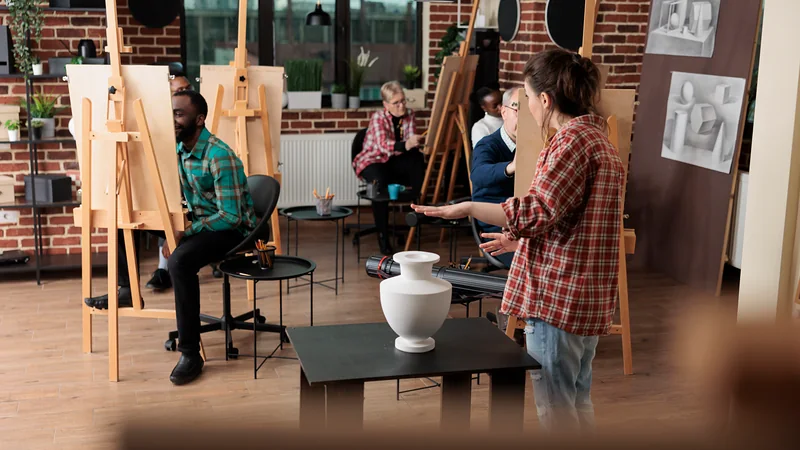
Photographs make a surprising difference in this trade. Pictures of real work made by your students, with their permission, and of the studio, the benches and the tools, show what an ordinary evening is like. They also set realistic expectations about what a first-timer can make.
Avoid glossy images that suggest an outcome nobody achieves in a first lesson.
A short note about class size, how much one-to-one help the tutor can give, and how accessible the building is will answer questions people often feel shy about asking.
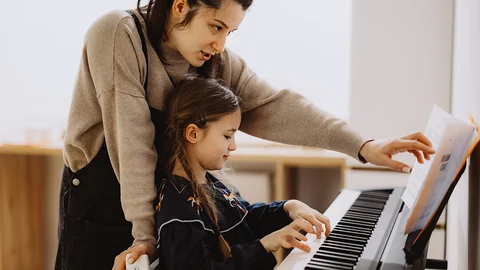
Parents will also want to know about safety around kilns, knives or paints, how children are supervised and what the arrangements are for collection at the end. Say what you do rather than offering vague reassurance, and name anything you ask them to bring or sign.
Think about how people look for you. Searches tend to combine a craft with a place and a purpose, such as pottery classes, painting for beginners or a children's holiday workshop near a particular town.
Separate pages for your main crafts and audiences let each of those searches land somewhere useful, and let you name the local areas your students come from.
Phone visitors tend to browse after work, so put the next available dates and a simple way to ask about a place near the top of each page.
A page for private groups, such as parties, hen events and team afternoons, can be separate from the weekly classes, with the numbers you can host, how long a session lasts, what is included and how far ahead people usually need to ask.
Group organisers also search in specific ways, so mention the towns and venues you serve if you travel to host events or welcome guests to your studio.