A full week is made of the same twenty faces arriving at the same times, so a gap left by one family who moves away matters, and the website is the quiet tool that fills it.
People searching tend to type an instrument and a place, and they arrive with an unspoken worry: will the teacher be patient, will the child enjoy it, and will the lessons fit around school pick-up and a busy home?
A page that answers those three in a gentle voice does a lot of the selling.
Say where lessons happen.
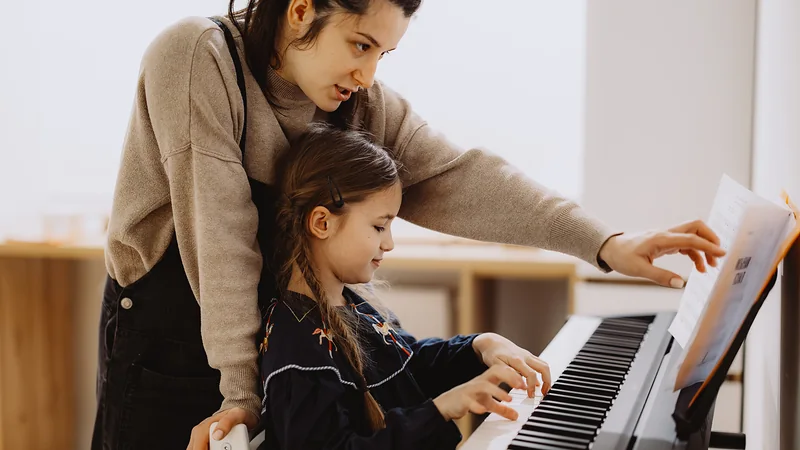
A teacher who visits pupils at home, one who teaches in a music room at the back of the house and one who rents a space at a local school each give a very different picture, and parents like to know whether a lift will be needed and whether there is a waiting area.
Include a photograph of the room and the instruments in it, a line about whether pupils need to own one before starting, and what a sensible first purchase looks like. That last point lowers the barrier for families who have not yet spent anything.
Think about the calendar. Enquiries rise in September, after the January holidays and just before big school concerts, and fall away in summer, so a short notice about current vacancies, updated each term, keeps the page honest and saves back-and-forth.
Mention exam boards you prepare for only if you do, and describe what you offer to those who do not want exams at all, such as learning favourite songs, playing for a church or joining a local ensemble.
Finally, let your own musical life show. A short account of what you play, where you studied or performed, and which pieces your pupils are working on right now makes you a person rather than an advertisement.
A short recording or a photo from a pupils' recital, shared with permission, tells a prospective parent what a year of lessons might lead to, and gives the page something fresh to say each term.