They read your pages slowly, often more than once, looking for signs that you are reliable, that you like animals and that you will tell them honestly if something goes wrong.
A dog walker's website therefore does well when it describes a normal day: how the walk begins, how the dogs are collected, whether they travel in a van or on foot, what happens if one pulls or is unwell, and how the owner hears afterwards.
Owners also like to know what you do when a dog will not come back, slips a collar, or needs a vet in a hurry, and a calm paragraph on those moments earns more respect than silence.
Mention whether you walk in all weathers and how you dry and clean paws before returning a dog to the house.
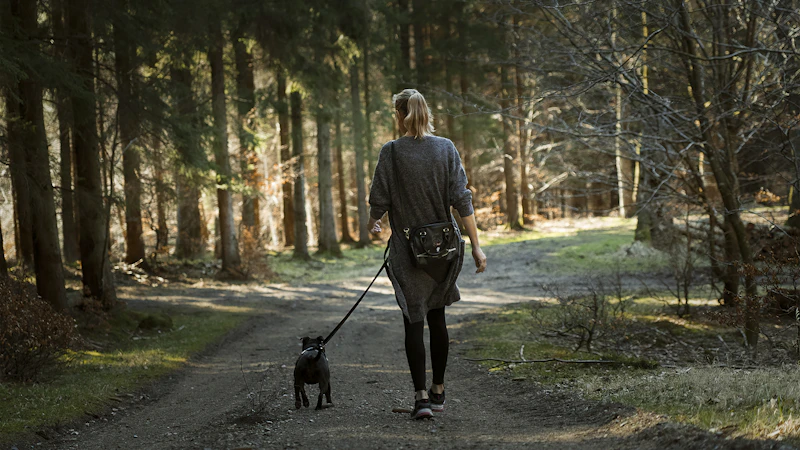
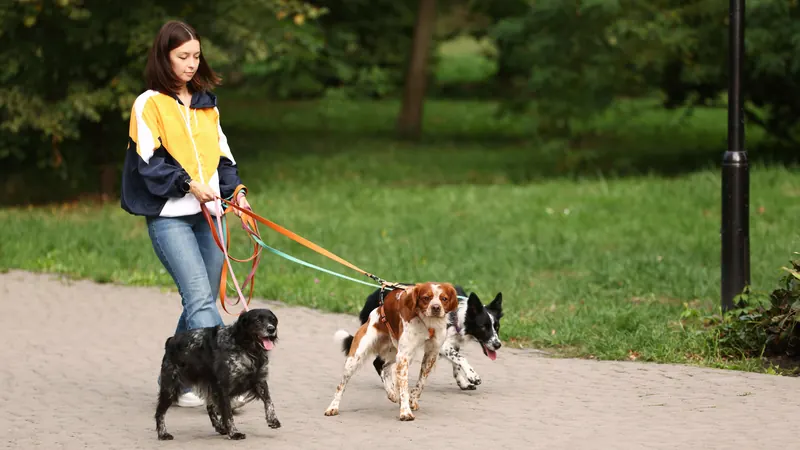
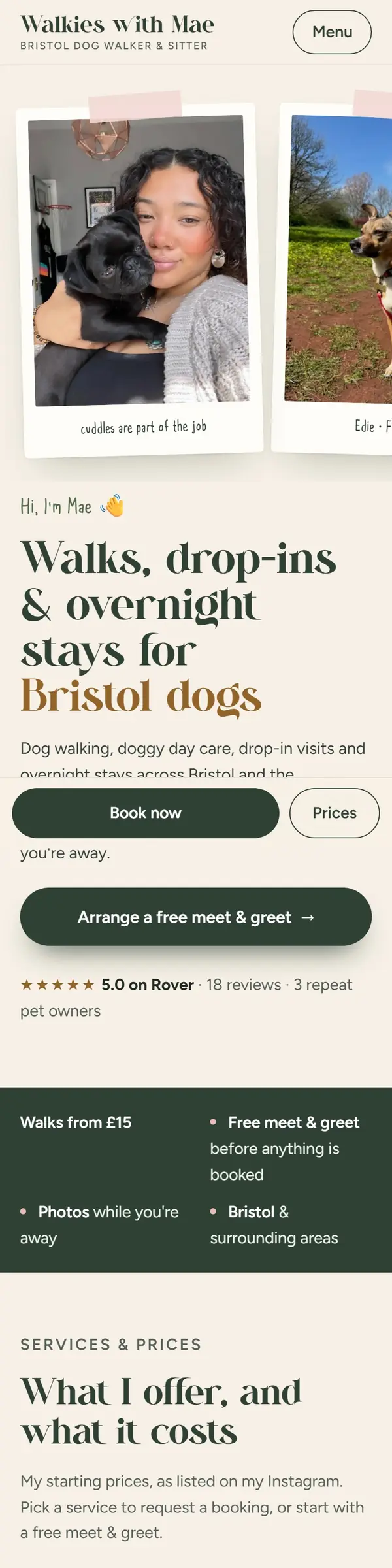
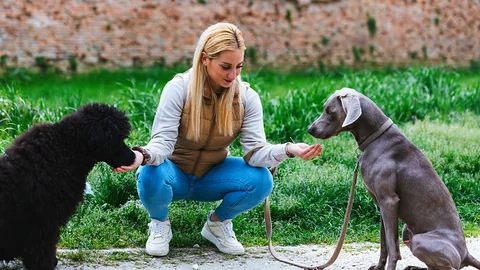
Photographs of you with animals do a great deal of the persuading, so use pictures of real walks and real pets, taken with the owners' agreement.
Add a short introduction in your own voice, covering how you came to this work, what animals you have lived with, and what training you have had, for instance in pet first aid, where that is true.
The route into a first meeting should be easy: a meet-and-greet that lets the dog sniff the new person, the owner ask questions, and you see the house, the lead and the food routine before any paid visit.
If you work with a partner or cover for holidays, introduce that person too and explain how a handover happens, so owners are never surprised by a stranger at the door.
Say how long a typical visit lasts and what is included in it, such as fresh water, a play session and a note of the visit.
Practical rules deserve their own page, because they save awkward conversations. Explain the areas you cover, the days and hours you work, how far ahead holiday periods fill, and how to cancel or change a booking.
Say what you need from an owner before the first day, such as vaccination details, vet contacts, emergency numbers, and notes on diet, behaviour and any medication. Describe how keys are kept and how you let someone know a pet has been walked or fed.
A clear page on bad weather, early dark evenings in winter and hot summer days shows you think ahead.
Keep a short list of frequently asked questions at the foot of the page: does the pet need to be microchipped, can you walk dogs of mixed sizes together, and what happens if the owner is delayed returning home.
Short answers help busy people decide quickly and reduce the number of enquiries that start from nothing.
Pet owners search by place and by need, such as a dog walker near a park, a cat sitter for a week in August or a visit for an elderly dog.
Name the roads, parks and neighbourhoods you know well, and add short pages for each service so that a worried owner arriving from a search lands on something that matches their question.
Keep the contact options friendly and quick, with a phone number, a message route and a note on when you reply, since walkers often cannot answer while out with a pack of dogs.
A seasonal note about summer booking and the weeks before Christmas, when diaries fill early, encourages owners to make contact sooner. Pets with particular needs, such as elderly animals or those recovering from surgery, deserve a sentence of their own to show you will listen.