One is watching a stain spread across a ceiling and wants someone to ring back today. The other is planning to replace a tired roof next season and is collecting opinions. A page that lists services in one flat paragraph suits neither.
Put the urgent route, with a tappable number, at the very top, then give planners somewhere to read about how a job is organised and how long it tends to take.
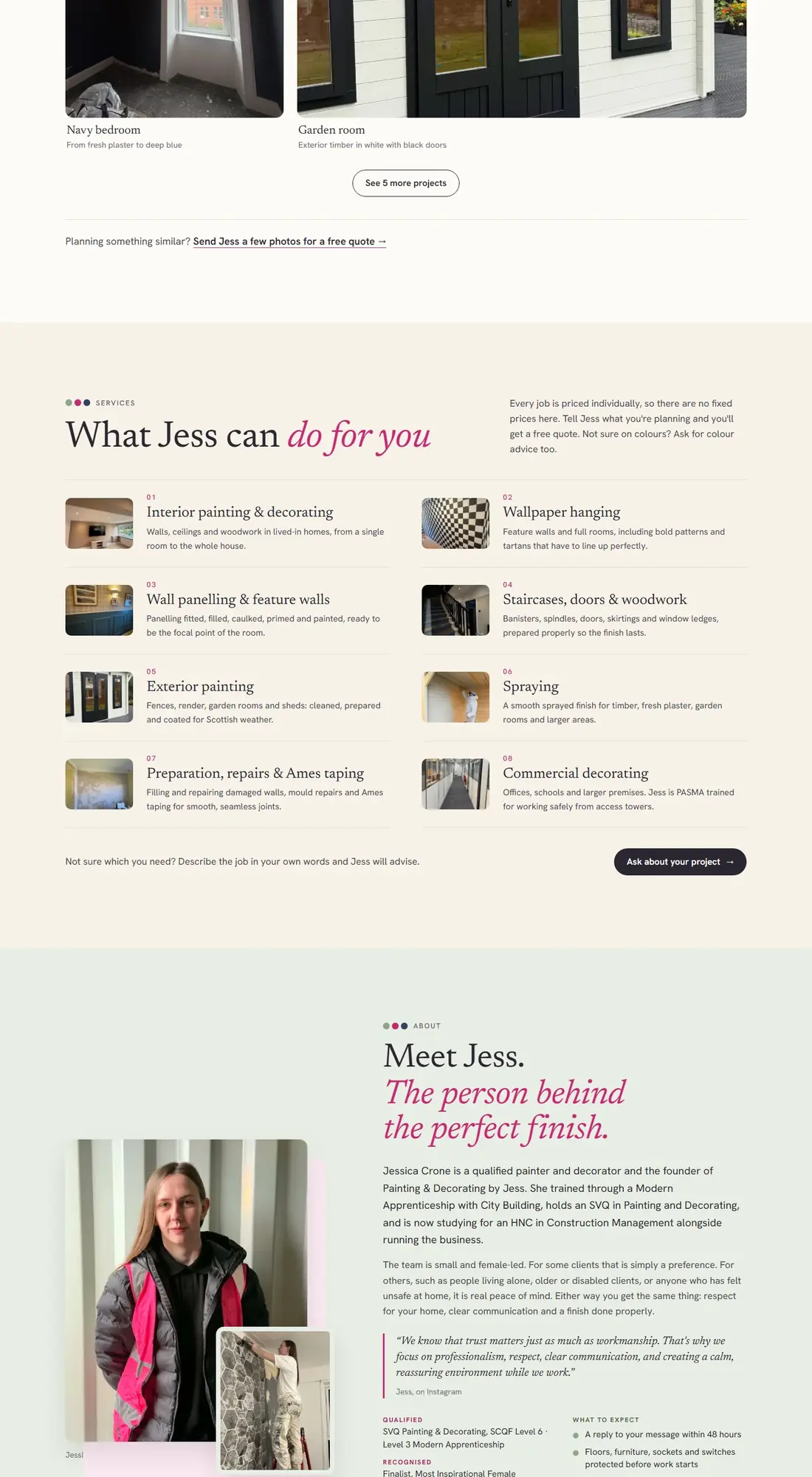
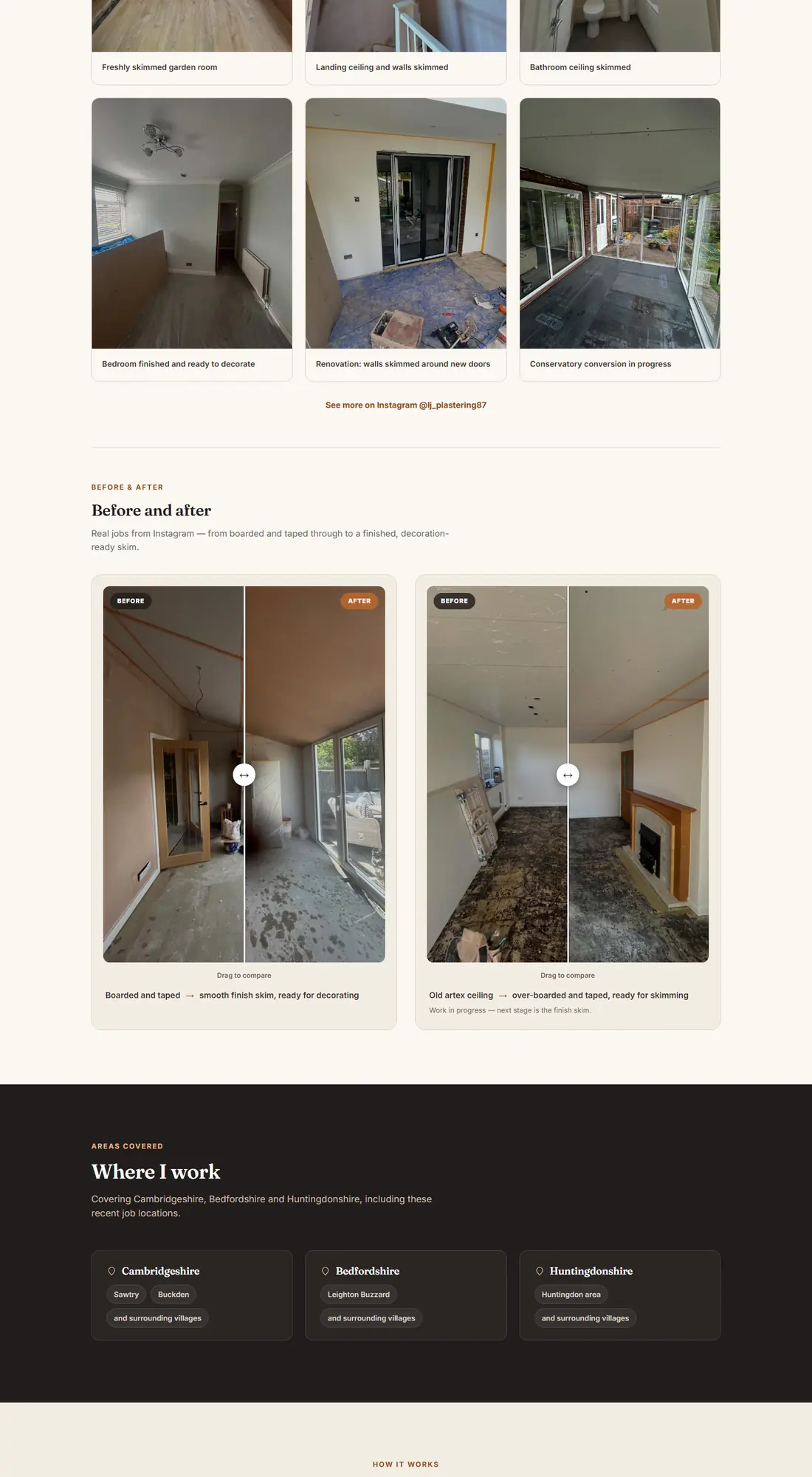
Photographs are the most persuasive element in this trade, because customers cannot climb up to check. Show finished roofs from the ground and, where safe, close up: neat ridge lines, tidy lead work, clean flashing.
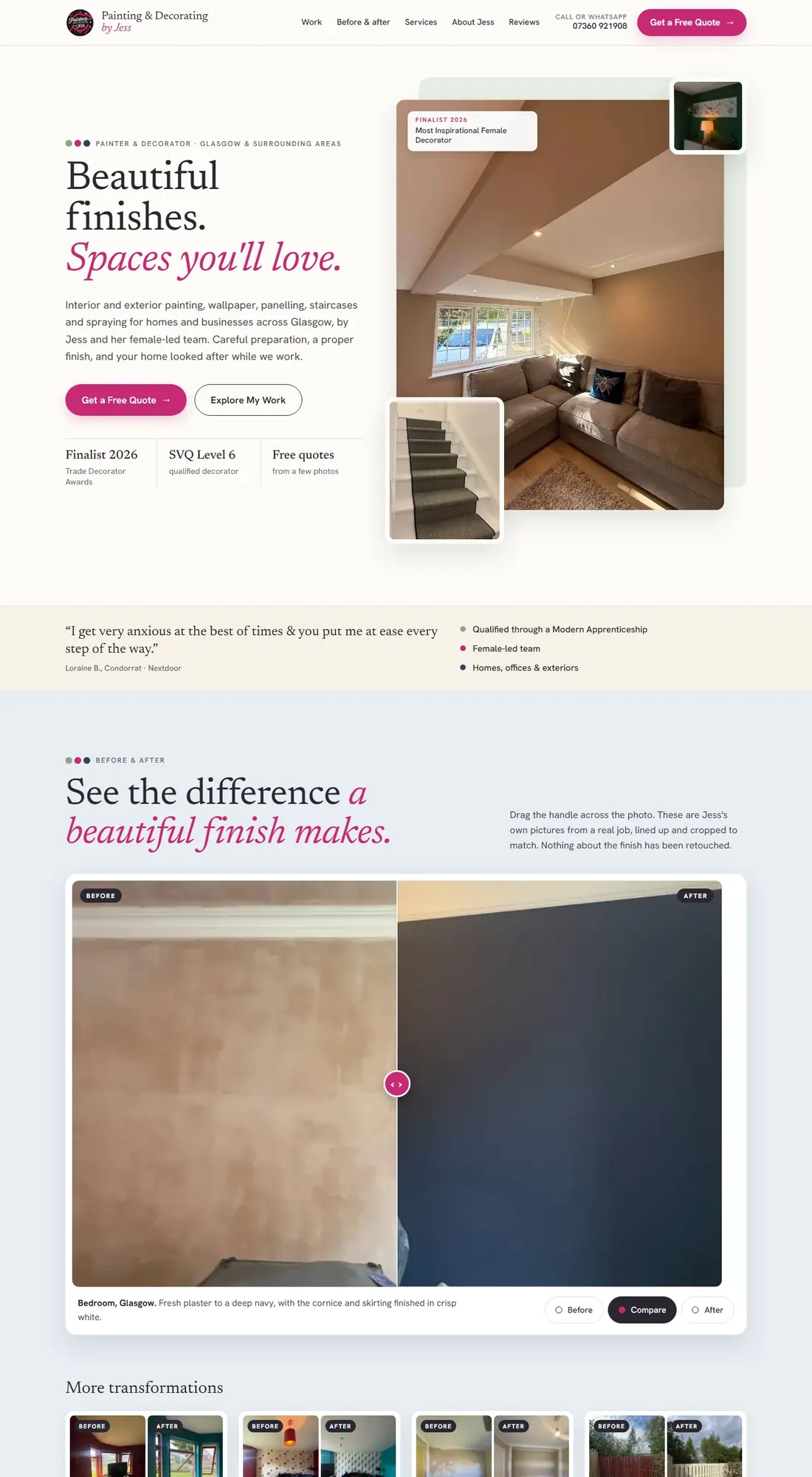
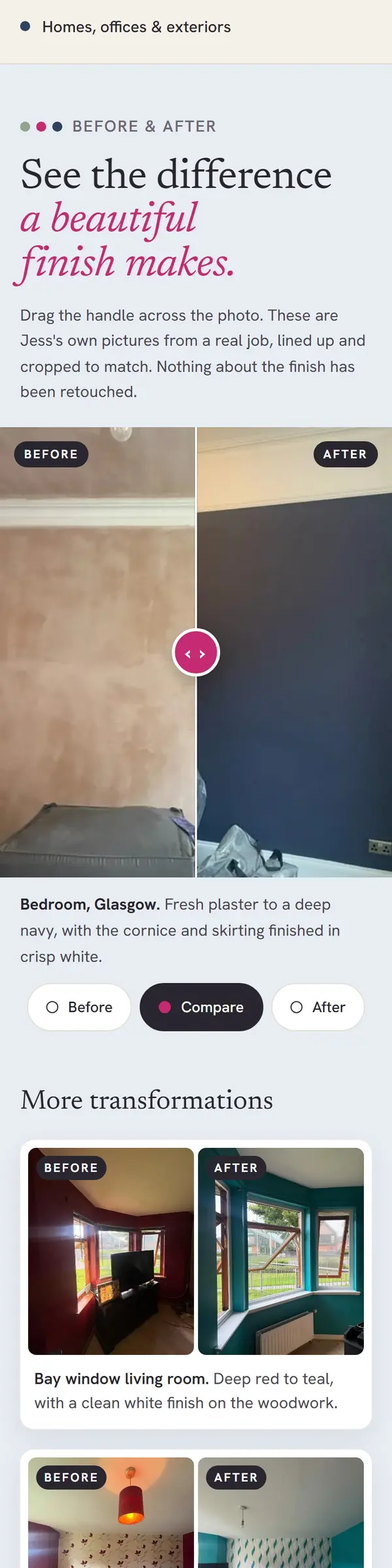
Before-and-after pairs from your own jobs help a visitor understand the difference between a patch and a proper repair.
Describe the materials you commonly work with in terms a homeowner understands, and explain what causes the problems you are called out for, such as slipped tiles or worn flat-roof coverings, without frightening anyone.
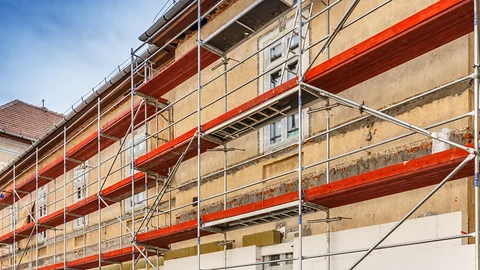
Customers want to know how you handle the practical side: protecting the garden and the driveway, tidying away debris, whether scaffolding is arranged by you, and how you cope if rain arrives halfway through.
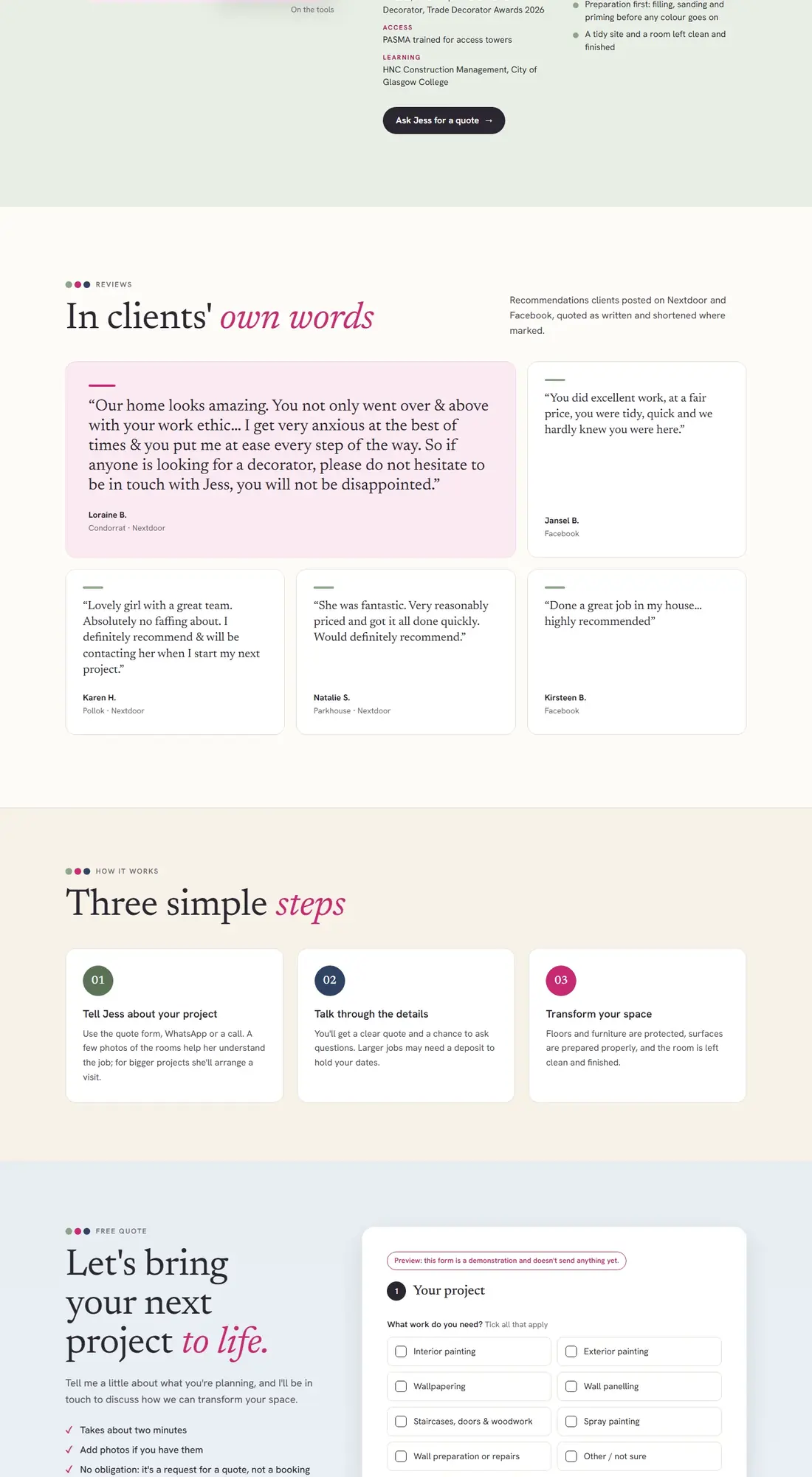
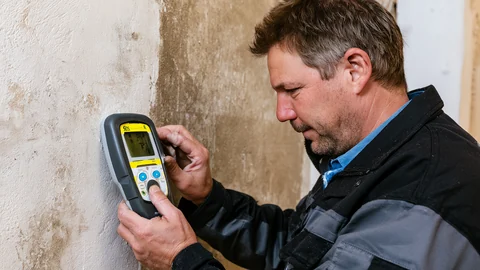
Say how a quotation is produced, whether a visit is needed first and how you report what you find. Pictures taken during a survey show your thoroughness. Mention which towns you cover and be honest about how quickly you can reach different parts of that area.
Searches in this trade are strongly local and tied to a symptom or a job, such as a roof repair in a particular town, a flat roof renewal or gutter work. Use those headings naturally where they describe services you really provide.
Keep the contact route short on a phone, and say when someone will answer, because customers who find a roofer in a hurry tend to call the first one who picks up.