Some imagine someone to choose flowers, others a person to manage the day, and many have not realised how many decisions are involved.
A clear description of your services, organised by the stage of planning, helps: early conversations about budget and venue, working with suppliers, timelines and paperwork, and being present on the day. Say which parts you offer and how they can be combined.
For couples who are managing a tight timetable, add a few words about how soon planning can begin and the shortest notice you are able to take on.
Planners are chosen for how they make people feel, so show your approach. Describe how a first conversation goes, how often you stay in touch, how you cope when plans change, and what you ask couples to tell you.
Introduce yourself with a genuine photograph and a few lines about how you came to this work, in your own words. Be careful with claims about venues or suppliers: name those you have worked with only if they are happy for you to do so.
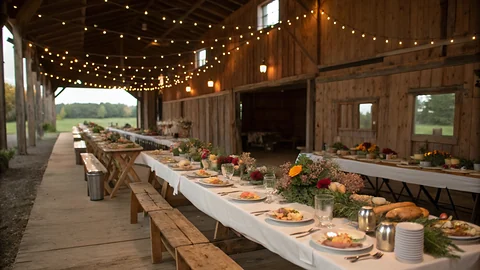
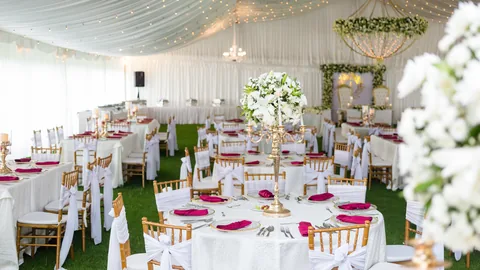
Show the kinds of weddings you enjoy, such as small celebrations, large family events, outdoor ceremonies or weddings abroad, and be honest about what you do not do. Explain how you work with venues' own coordinators, since couples sometimes ask whether they need both.
Describe how fees are structured in general terms, without figures, and invite couples to discuss their plans so you can explain what applies. Say how far ahead people usually get in touch and how many weddings you take on in a season. Mention whether you travel and, if so, how that is agreed.
Local knowledge counts, so name the areas, venues and regions you work around.
Couples search for wedding planners in their county or near a venue they love, often in the evening and on a phone, so make the contact route clear and include details of when you reply.
Photographs should be your own, shared with the couples' agreement, and the page should read calmly and warmly. Say how you handle enquiries that arrive close to a date.