A website can calm most of those worries if it explains the stages of a job in the order the client will meet them, from the first conversation and survey through design, the application, technical drawings and, where you offer it, help during construction.
Describing the stages without jargon helps people see what they are paying for.
Be open about what you do not do. Some practices stop at drawings, others stay through the build, and a few handle party wall paperwork or work closely with structural engineers and surveyors.
A client who understands in advance who is responsible for each piece is far less likely to be disappointed.
Say, too, what you will want from them before work begins: a survey, a budget range, a sense of timing, and the photographs or plans they already have.
A short page of that kind makes a first enquiry better prepared and saves you an hour of back-and-forth.
Local knowledge counts for a lot, so name the boroughs, conservation areas or village types you work in and the kind of property you know best, whether terraces, barn conversions or post-war semis.
Clients search with a place and a project in mind, such as a rear extension or a loft conversion in a particular town, and a page that speaks to that combination is easier for them to trust than a general portfolio.
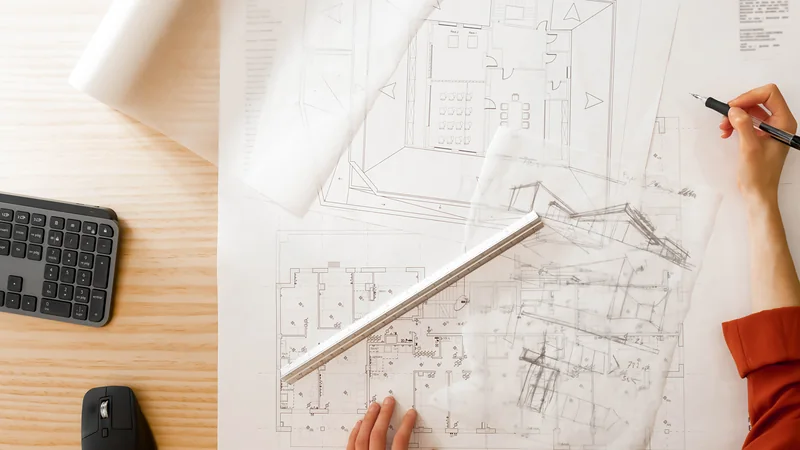
On a phone, lead with two or three projects and a clear way to book a first conversation, and keep the drawings large enough to read.
Keep a phone visitor in mind as well: they are likely to be reading in an evening, so a short summary and a clear route to book a call count for more than long pages.