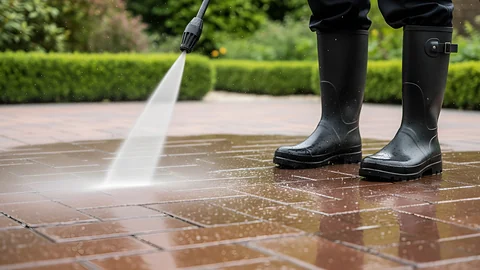
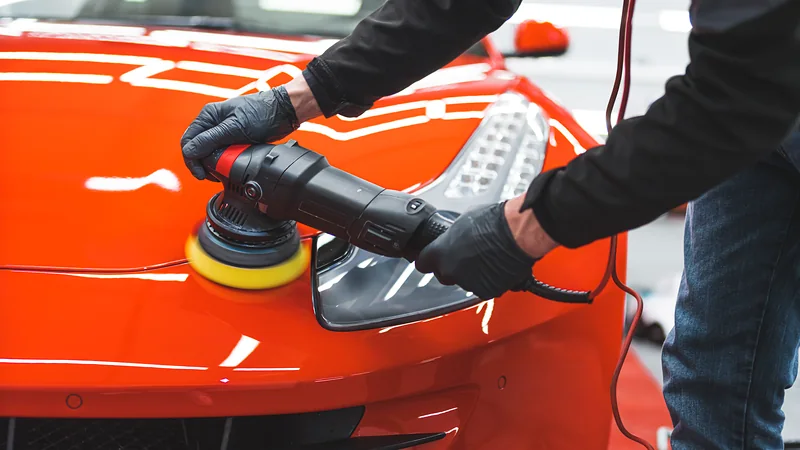
Some think of a better car wash, others of a quick polish before a sale, and a few want something specific, such as a protective coating on a new car or a smell removed from a family estate.
Part of the website's job is to sort these people out gently, explaining in a few sentences what each kind of job involves, roughly how long the car stays with you, and what a customer can realistically expect at the end.
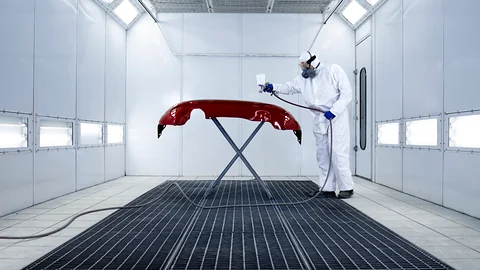
Pictures do most of the explaining, but only when they are taken carefully. Shoot before and after in the same light and from the same angle, show close-up paint under a torch where swirls disappear, and include a few ordinary cars along with the showpieces.
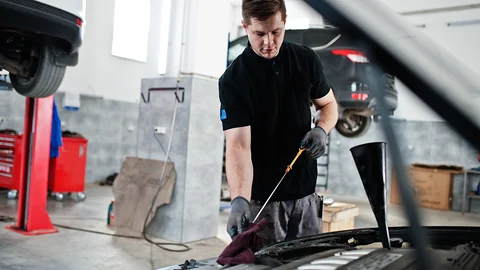
A customer with a ten-year-old hatchback wants to know you take that seriously too. Add a line about the products and methods you use and why, without turning the page into a list of brand names that means little to anyone outside the trade.
Practical matters decide bookings. Where do you work, is it a unit, a garage, a mobile van or a customer's driveway? How does a customer drop off the car, can you collect it, is there a courtesy lift?
Winter and summer change the work too: salt and mud in January, tree sap and bird mess in July, and the spring rush before the car shows. Saying when you are quietest and when you book up early lets customers plan, and keeps your diary steadier.
For local visibility, think about how people actually phrase the search. They type detailing, valeting, paint correction or ceramic coating beside their town, and are often unsure which word fits their car.
A site that uses their own words, names the areas you cover and shows a short, clear route to ask for a price, fits the way they look.
Ask them to send a few photographs of the car with their request, and you can answer sensibly without a visit. Photographs of work in progress deserve a place as well.
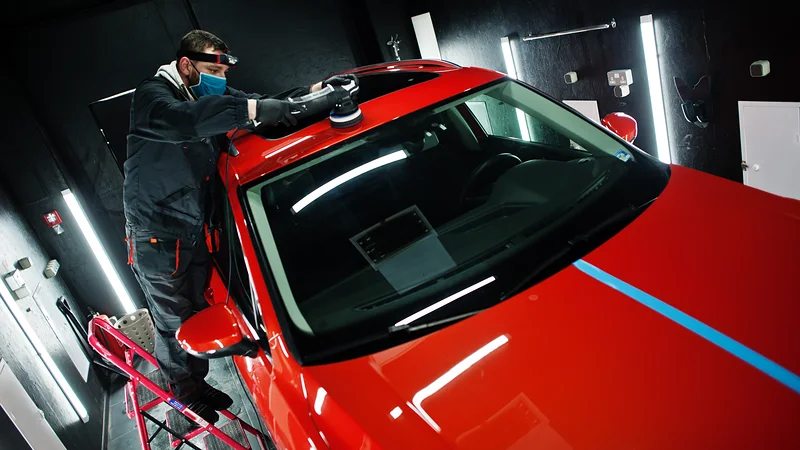
A short sequence showing a car arriving dusty, being washed, decontaminated, machine polished and finally inspected under lights tells a story about time and care that a single glossy finish cannot.
It also explains, without any argument, why a full correction costs more than a quick tidy-up, and it lets customers choose the level of work that suits the car and their budget with their eyes open.
Pair it with a plain note saying what you will and will not promise on very old or damaged paint.