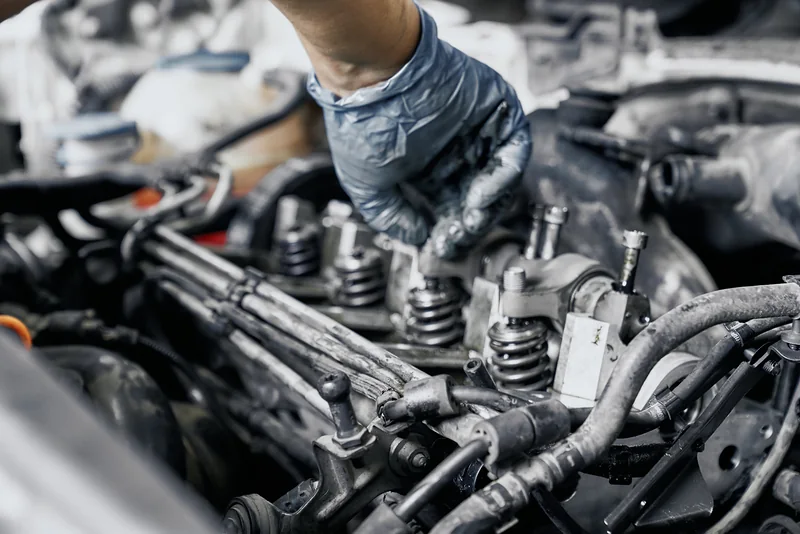
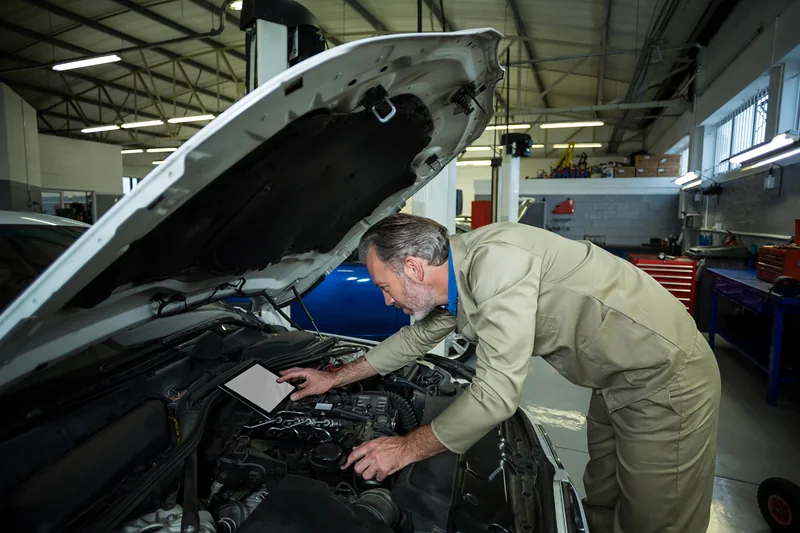
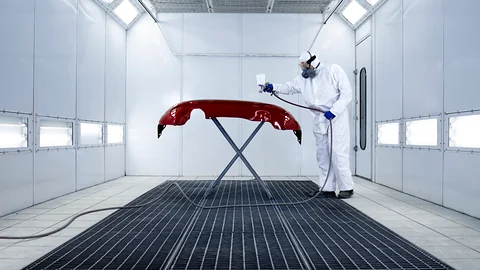
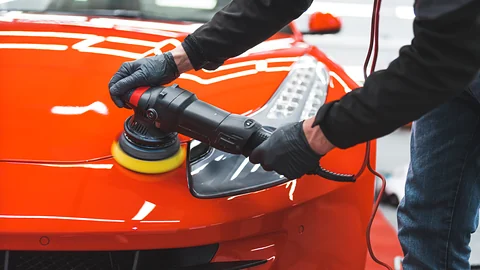
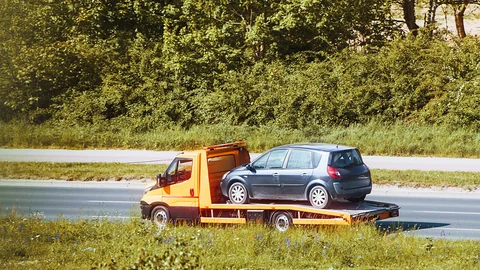
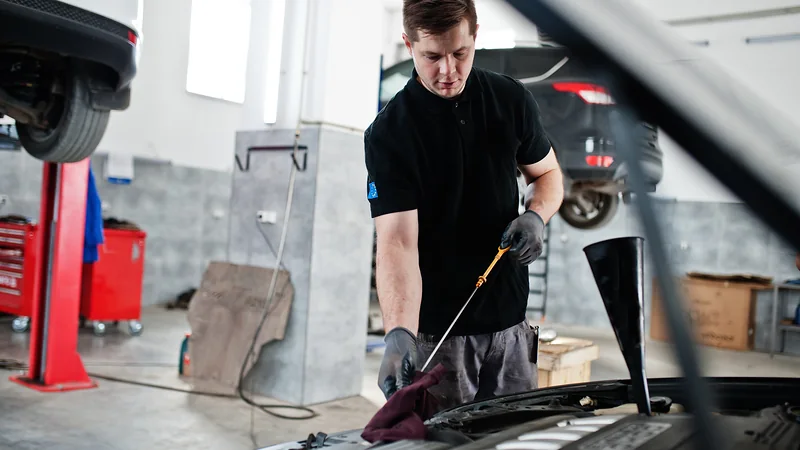
The website is the first meeting. A friendly page that shows the team, the workshop and the sort of cars you look after tells a nervous customer what it will be like to walk in, and removes the fear of being talked down to.
Explain the work in terms a customer understands. An MOT is a test with a result, a service is a set of checks and replacements, and a repair begins with a diagnosis.
Say how you communicate a fault found during a service, whether you phone before doing extra work and how you show an old part if asked. Customers who have been caught out elsewhere will look for exactly these assurances.
Keep language calm and avoid the sort of warnings that sound like pressure.
Different cars bring different customers. A family with an older hatchback wants reliability and a fair approach, a driver with a newer model might ask about warranty-friendly servicing, and someone with a van needs fast turnaround.
A short section that describes the makes and kinds of vehicle you regularly work on, and the diagnostic equipment you use for them, helps each of them recognise themselves. Mention courtesy cars, collection or waiting facilities only if you really offer them.
Booking should be simple. A page that asks for the registration, the type of work and a preferred day, and then confirms by phone or message, suits most customers better than a complicated online diary.
Place the number and the address with a map link where they can be found in a second. Customers around Marlow, High Wycombe, Bourne End and Ripley often search for a garage near them while a warning light is on, so speed matters.
Trust is built over time, and a website can keep adding to it. A section where you explain a repair that surprised you, a common fault in a popular model, or how to spot early signs of brake wear can show knowledge without sounding boastful.
Keep each note short, written by someone who works in the workshop, and tied to cars your customers actually drive.
Fleet and business customers are worth a mention. A tradesperson with a van or a small company with several cars wants fast turnaround, reminders when tests fall due and a single invoice.
If you offer this, a short page and a direct contact will bring in steady work, and it shows the garage is run by people who understand deadlines.
Held in one hand, large buttons, quick loading and clear opening hours matter more than clever design. Photographs of the workshop, ramps and equipment should be real, and a short note on how long common jobs take will help people plan the day.
Seasonal reminders, such as winter tyre checks or pre-holiday inspections, can be updated as the year changes and make the site look cared for.