Explain how a consultation works, whether a design is drawn before the day, how a deposit is handled and what happens if someone changes their mind.
People are more willing to book when the process is laid out and nothing is left to be discovered at the counter.
If you take bookings by email or message, say how many pieces of reference are useful to send and how long a reply usually takes, so that people are not left wondering whether their message arrived.
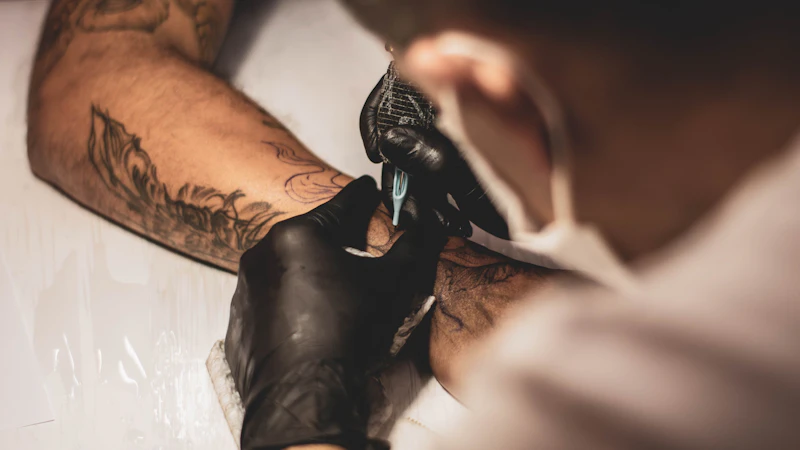
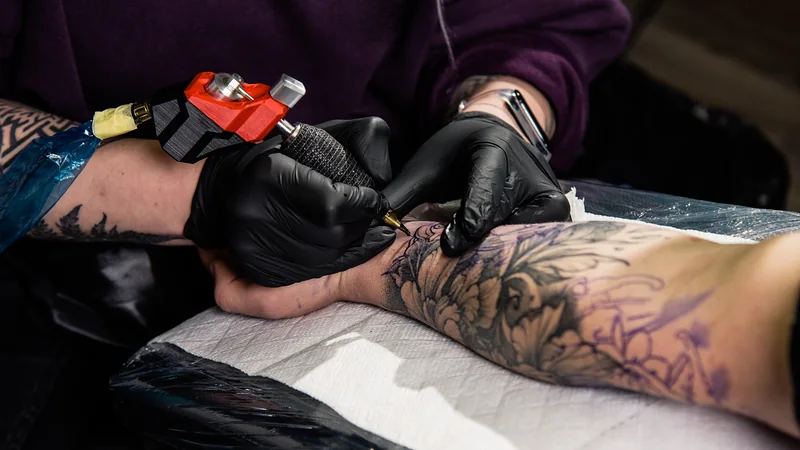
Hygiene is a matter of trust for this trade, so describe how your studio works in your own words: single-use needles, clean surfaces, a separate area for the work.
If your studio holds a registration or licence from the local council, mention it when you hold the paperwork to back it up.
Aftercare deserves a page of its own, because customers search for it after the appointment, and a clear, careful set of instructions from the artist who did the work keeps your name in front of them.
Be straightforward about the practical limits: youngest age you will work with, the need for photo identification, what you will not tattoo, and how cover-ups and reworking are approached. Say that some designs need more than one session.
Customers appreciate being told early, and it avoids awkward conversations later. Search phrases are usually a style and a place, such as fine line near a town, so name your styles and your area honestly.
A short note about pricing in general terms, such as whether work is charged by the piece or by the hour, helps people prepare, as long as you keep any figures off the page unless you update them.